Docking a Yacht: 7 Boat Docking Mistakes and How to Avoid Them
Docking a Yacht: 7 Boat Docking Mistakes and How to Avoid Them:
Docking a boat can be one of the most challenging parts of boating. Even experienced captains can be caught off guard by shifting winds, strong currents, or mechanical failures. Understanding how to safely dock your vessel is essential, whether you’re operating a small motorboat, a large yacht, or a chartered sailboat. With the right techniques and preparation, you can avoid common docking mistakes and navigate even the trickiest marina like a pro.
How to Dock and Anchor
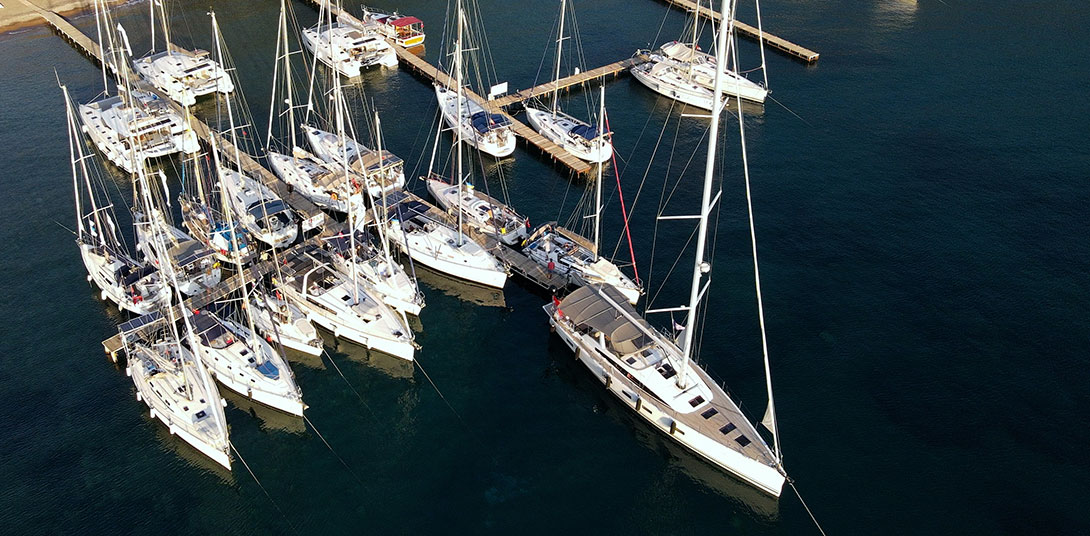
If you’re renting a charter boat, the stakes are even higher. Unlike with your own vessel, you’re likely unfamiliar with how the charter boat handles under different conditions. You may also be operating in a marina or waterway that’s completely new to you. That’s why it’s especially important for charter renters to prioritize safety, situational awareness, and proactive communication with marina staff. Get a full briefing from the charter company on the boat’s handling, engine configuration, and any quirks it may have. Ask about local wind patterns, tide schedules, and potential hazards. Take photos of the boat before departure to document its condition, and double-check that all docking equipment, like fenders and lines, are provided and in good working order.
Here are seven critical boat docking mistakes to avoid, along with practical recommendations to help you dock smoothly and safely:
7 Things to Remember When Docking a Boat:
1. Not Knowing How Your Boat Handles
You need to know and feel your boat: Before you ever approach a dock, you need to understand how your boat responds in different conditions. This includes knowing how it reacts in neutral, reverse, and low-speed maneuvers. Charter boats, catamarans, and private vessels all handle differently, especially in tight spaces.
Start by practicing how your boat moves in calm, open water. Check for any mechanical issues or loose items that could interfere with performance. One common mistake is trying to dock too closely to other boats or dock edges. Always leave more room than you think you need, especially in unfamiliar or crowded marinas.
If you’re renting a boat, spend a few minutes near the dock getting used to the throttle, steering, and the boat’s turning radius. Keep in mind that different boats may have varied prop walk tendencies or delayed helm response. Practice gentle maneuvers before attempting to dock in a busy area.
Also, familiarize yourself with local conditions. Tides, wind patterns, and underwater hazards can all impact your ability to dock safely. If you’re unsure about an area, ask for advice from someone who knows the local waters.
2. Approaching the Dock Too Fast or Too Slow
Choosing the wrong speed when approaching the dock: Speed is one of the most critical factors in docking. Coming in too fast can cause damage to your vessel, the dock, and nearby boats. But approaching too slowly can also be a problem, especially if you lose momentum and control in wind or current.
The best approach is to use short bursts of throttle, allowing you to maintain control without building up excessive forward momentum. Avoid slamming the throttle or overcorrecting with the wheel. Always steer before applying power, and reduce your speed to the minimum required to maintain control.
In high-traffic areas, be alert and ready to adjust quickly. It’s easier to increase speed in short spurts than to try and slow down a moving boat. Judging your distance and momentum carefully is key to a smooth landing.
3. Misjudging Wind and Current
Determine wind and current: Ignoring wind and current is one of the most common docking mistakes. Both can push your boat off course and make it difficult to align with the dock.
Before you begin your final approach, take a moment to assess wind direction and current strength. If the wind is blowing toward the dock, you can use it to help guide your boat. Approach at a shallow angle, around 10 to 20 degrees, and let the wind push you gently in.
If the wind is blowing away from the dock, a steeper angle is required. Aim for around 30 to 45 degrees and tie off the bow first. Then allow the stern to swing in and secure it. Be mindful of your boat’s windage. Bimini tops, sails, and enclosures can act like sails and make your vessel harder to control.
In shallow areas, be careful not to run aground when maneuvering. Always check water depth and tidal changes before docking.
For charter renters, wind and current can be especially tricky. You won’t have had the chance to get a feel for how the boat behaves under different conditions. Don’t hesitate to do a slow practice pass near the slip to see how the boat reacts. If marina staff are present, request docking assistance and follow their guidance closely.

4. Incorrect Fender Placement
Position fenders: Fenders protect your boat from contact with pilings, docks, and other vessels. Placing them incorrectly can lead to damage, even if the docking itself is smooth.
Position your fenders so they align with the points of contact. Avoid letting them dangle too high or low. When possible, anticipate where your boat will touch the dock and adjust the fenders accordingly. If your boat is tall or wide, you may need additional fenders to cushion contact points.
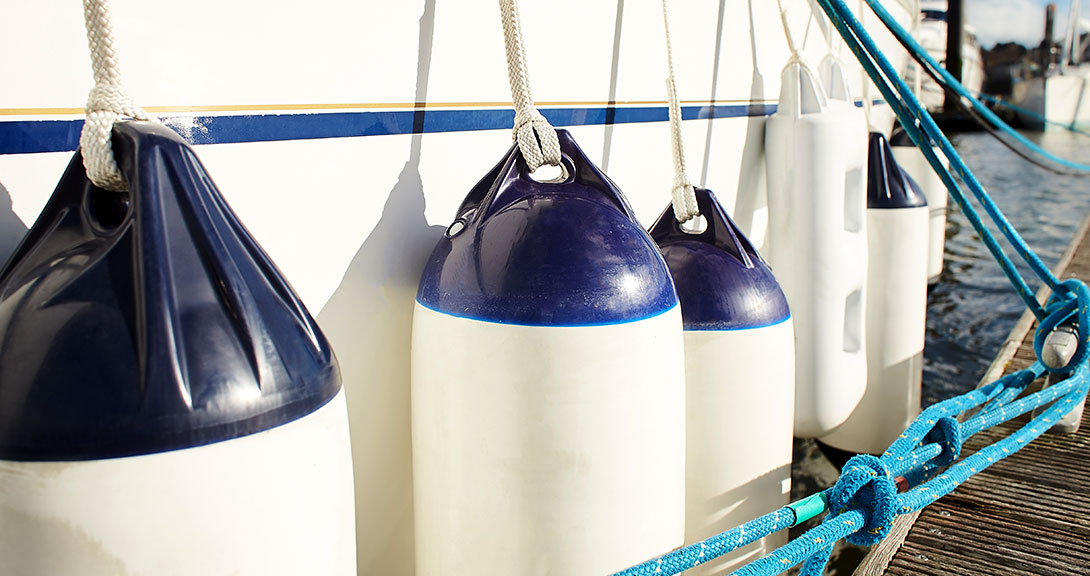
Proper fender placement is essential to prevent cosmetic and structural damage to both your boat and the dock.
As a charter renter, inspect the fenders before leaving the dock. Make sure they are not worn, torn, or underinflated. If they look questionable, ask the rental staff to replace them or supply extras.
5. Failing to Prepare Dock Lines in Advance
Get your lines ready: Always have your dock lines ready before you approach the slip. Secure them on your boat but keep them clear of the water and the propeller. The first line you’ll usually throw is the spring line. This line helps control the boat’s fore and aft motion once you’re alongside the dock.
By preparing your lines in advance, you reduce stress and improve control when you arrive. It also makes it easier for anyone on shore to help secure your boat quickly.
If you’re renting a boat, check where the lines are stored and confirm they are long enough for the slip you’re entering. Some charters may not include extra lines, so plan accordingly.
6. Not Tying Off Correctly
Not Tying Off on the Cleats Properly.
Tie up your boat: Once your boat is parallel with the dock, tie it off immediately. This prevents drifting and keeps the boat in position while you shut down systems.
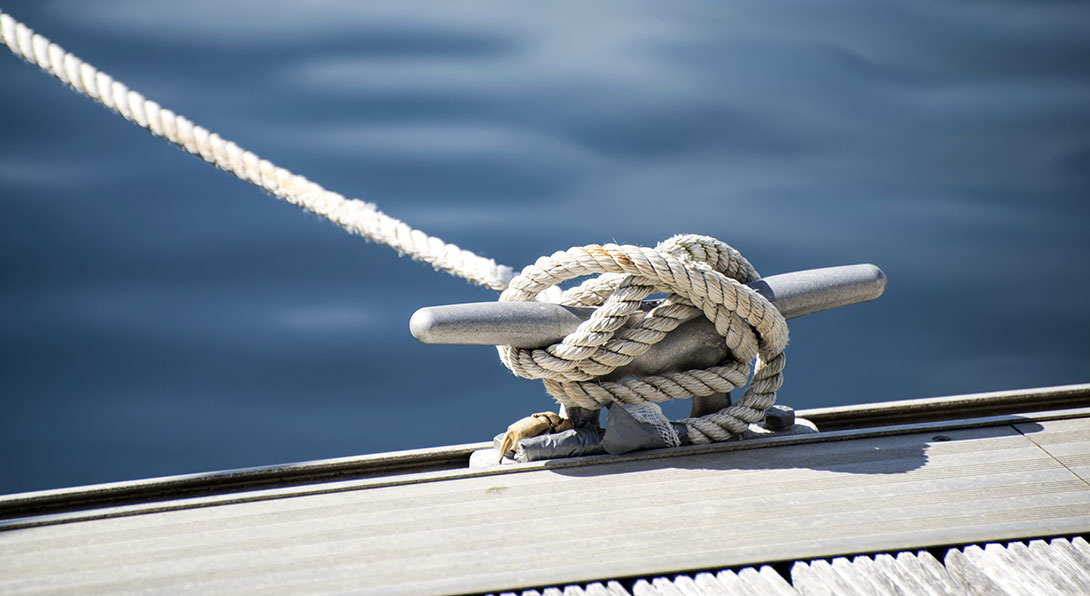
A common error is failing to wrap or secure lines properly around the cleats. This can cause the boat to come loose, especially with tidal movement or wind shifts. Make sure your lines are snug but not too tight. Boats need a little slack to adjust with the tide. Overly tight lines can lift the boat during low tide or drag it down during high tide.
Use the appropriate knots and wraps to keep your lines secure. If you're unsure, learn basic docking knots and practice them regularly.
Charter renters should take a few minutes to learn or refresh their knowledge of the cleat hitch and bowline knot. These are two of the most useful knots for securing a vessel and are often overlooked until it's too late.
Check our most used boating knots blog post: HERE
7. Shutting Down the Engines Too Early
Turn off the engines once you're sure all the lines are secured: Don’t turn off your engines until every line is properly secured. Keeping the engine running allows you to reposition if a line slips or the boat drifts unexpectedly.
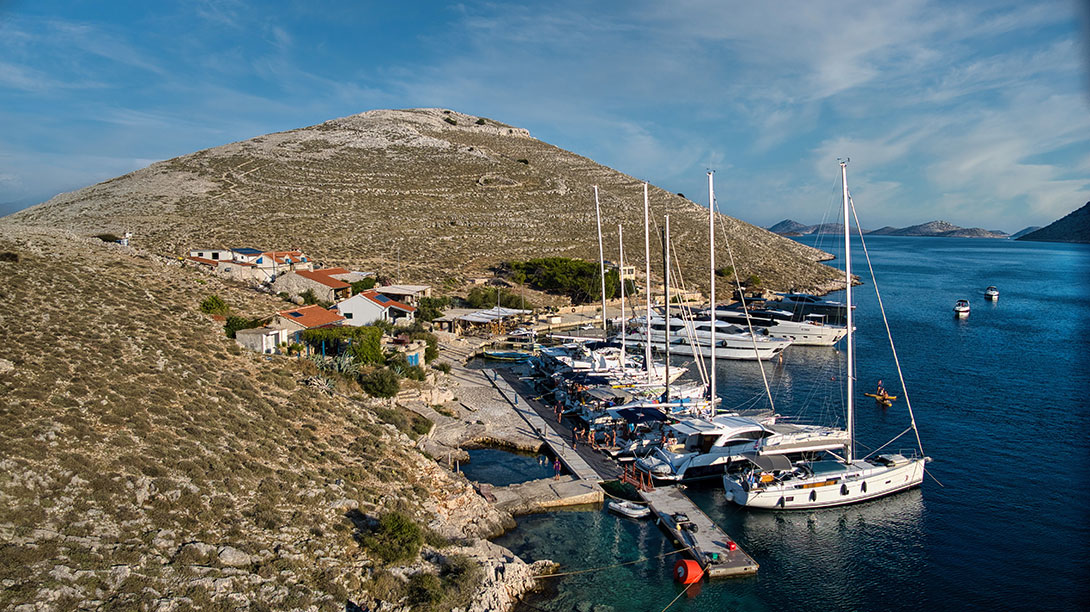
Many boaters shut off the engine as soon as they’re in the slip, only to find themselves unable to correct a bad position or deal with sudden wind shifts. Wait until your lines are fastened and the boat is stable before shutting down.
If the approach isn’t working or the conditions change suddenly, don’t be afraid to abort and circle around for another try. Patience is a key part of safe docking.
For charter boat users, keep in mind that the controls might respond more slowly or differently than what you're used to. Do not rush the docking process. Make sure the engine is fully responsive before making adjustments, and always verify neutral or idle settings before tying off.
Only turn off the engines once you're sure all the lines are secured.
Final Thoughts:
Even the most seasoned skippers can make mistakes when docking a boat. Whether you’re dealing with unpredictable weather, mechanical hiccups, or crowded marinas, preparation and patience go a long way. If you’re renting a charter boat, take extra time to learn the vessel’s handling characteristics, confirm your equipment, and get local advice before you head out.
By avoiding these common mistakes and following the recommendations above, you can dock with confidence and protect your vessel, your passengers, and those around you. For more guidance, explore our related resources on boating knots, fender setups, and navigating marina etiquette.