What Should I Pack For My Sailing Vacation? Yacht Trip Packing Guide
What Should I Pack For My Sailing Vacation?
10 Essential Items To Include In Your Boat Charter Packing Checklist
You have booked your sailing vacation, the yacht is reserved, and the Adriatic is waiting. Somewhere between the excitement and the countdown, the same question always appears: What should I pack for my sailing vacation so I feel prepared but not overloaded?
A Practical Guide To What To Pack For A Yacht Trip In Croatia
Packing for a yacht is not the same as packing for a hotel. Space on board is limited, the weather can change quickly, and you move constantly between sun, sea breeze, small harbours and quiet coves. Include safety essentials like a life jacket, first aid kit, and emergency whistle in your packing list to ensure safety and peace of mind during your Croatia trip.
Start With Your Specific Trip In Mind
Before you open your bag, picture the kind of week you are about to have. A sensible packing list always starts with context.
Ask yourself:
- When are you sailing, and how warm or cool is it likely to feel at sea?
- Are you on a bareboat charter, where you are the skipper, or a skippered charter with a professional captain?
- Who is coming with you: children, older relatives, anyone with specific medical needs?
Early summer and late season trips can feel noticeably fresher on the water, while July and August bring long, hot days in the sun. Bareboat charters demand more attention to documents and practical clothing. Skippered charters let you focus more on comfort and relaxation.
Once you know who is on board, when you are going and how long you will stay, it becomes much easier to separate essentials from nice extras.
1) Personal Documents And Travel Details
Your personal documents are the one thing you cannot easily replace in a small marina shop, so prioritising them will help you feel secure and confident throughout your trip. Do not forget personal documents (personal, skipper, VHF license, etc.) Do not forget important personal documents that include a valid passport, airline tickets and itineraries, health and other insurance policies, driver's license and local currency, and debit/credit cards.

At a minimum, plan to pack:
- Passport or national ID card for every person
- Travel tickets and any hotel confirmations
- Health insurance card and travel insurance details
- A Driver's license if you plan to rent a car or scooter
If you are the skipper on a bareboat charter, add:
- Skipper license accepted in Croatia
- VHF radio license
- Any sailing logbook or proof of experience required by your charter company
Carry at least one debit or credit card and some local currency for small expenses in villages and ports. A simple lanyard or waterproof document pouch keeps everything together and protects your papers from splashes on changeover day.
It is wise to scan or photograph all essential documents and store them in your email or cloud account. Boats are wet, things move around, and digital copies give you a simple safety net.
2) Health Essentials And Home Medicine
A small, thoughtful medicine kit turns potential problems into minor interruptions rather than major dramas. Pharmacies exist along the Croatian coast, but they may not always be open when you arrive, and communication can be slower in another language.

Your basic health kit should include:
- Regular prescription medicines in original packaging
- Pain relief that suits you
- Something for mild stomach upsets
- Motion sickness tablets or patches for anyone prone to seasickness
- Antihistamine tablets or cream for allergies and insect bites
- Plasters, antiseptic cream, a bandage and a thermometer
If you prefer to avoid medication when possible, you can look into acupressure-style relief bands, which some guests find helpful for mild seasickness while they adapt to life on board.
For families, ear drops recommended by your doctor can be beneficial when children swim a lot. An inflamed ear can easily spoil several days of a holiday, so it is better to prepare in advance.
If anyone has a specific medical condition, they should talk to their doctor before they travel. Ask which medicines to carry, how to store them on board and whether you need a written prescription or letter. Avoid self-prescribing antibiotics and always follow professional advice. Your charter base can help with local medical contacts if something serious happens, but arriving prepared is far more comfortable.
3) Power On Board, Devices, and Keeping Things Dry
Phones, tablets and cameras are part of almost every trip now. On a yacht, they become even more critical, because they hold your travel documents, navigation apps, weather forecasts, music, books and photos.
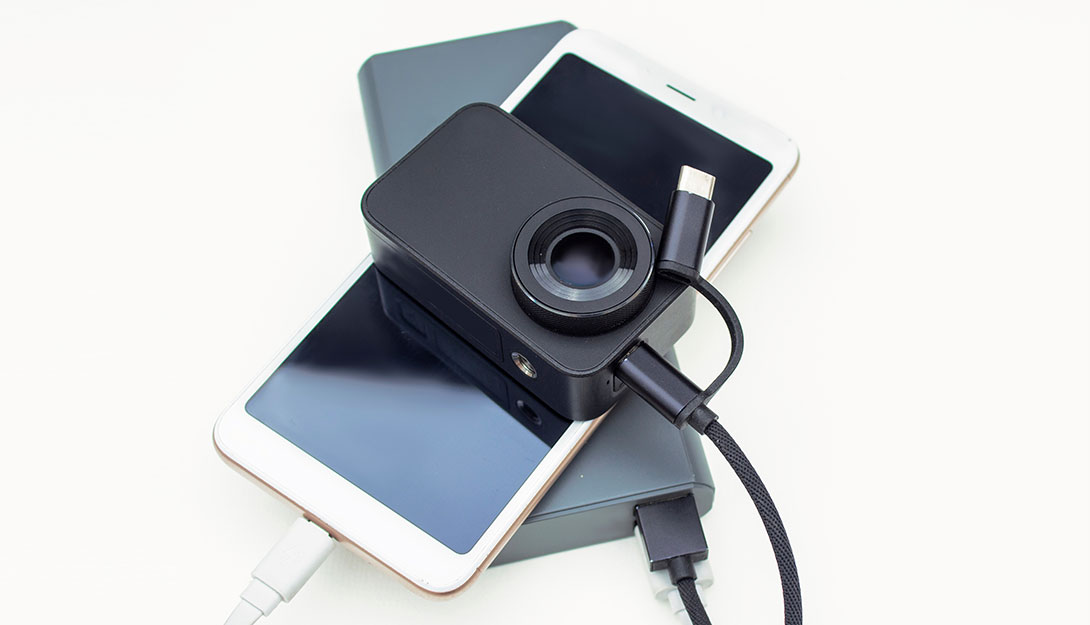
Most charter yachts in Croatia offer 220 V sockets when connected to shore power in the marina. While sailing, the boat usually runs on 12 V batteries. Only yachts with a generator or inverter provide 220 V during navigation, so heavy charging is best done in the evening once you are plugged in.
Pack:
- A reliable power bank
- Charging cables for all your devices
- Plug adapters if you travel from outside the European Union
It is worth asking your charter company about your exact boat's equipment, especially if someone will be using a medical device that requires regular charging.
A small dry bag is one of the most useful accessories you can bring. It keeps phones, e-readers, books and cameras safe when you use the dinghy, explore beaches or sit on deck with spray in the air. A simple waterproof phone case adds extra protection and lets you take photos near the water with less worry.
Including leisure items like books, music, or a deck chair can enhance your comfort and help you feel more relaxed during your sailing adventure in the sun.
4) Sunscreen and Sunglasses
The Adriatic sun is stronger than it feels when the breeze cools your skin. The sea reflects light up from below, so you are surrounded by rays from more directions than on land. Good sun protection is essential, not optional.
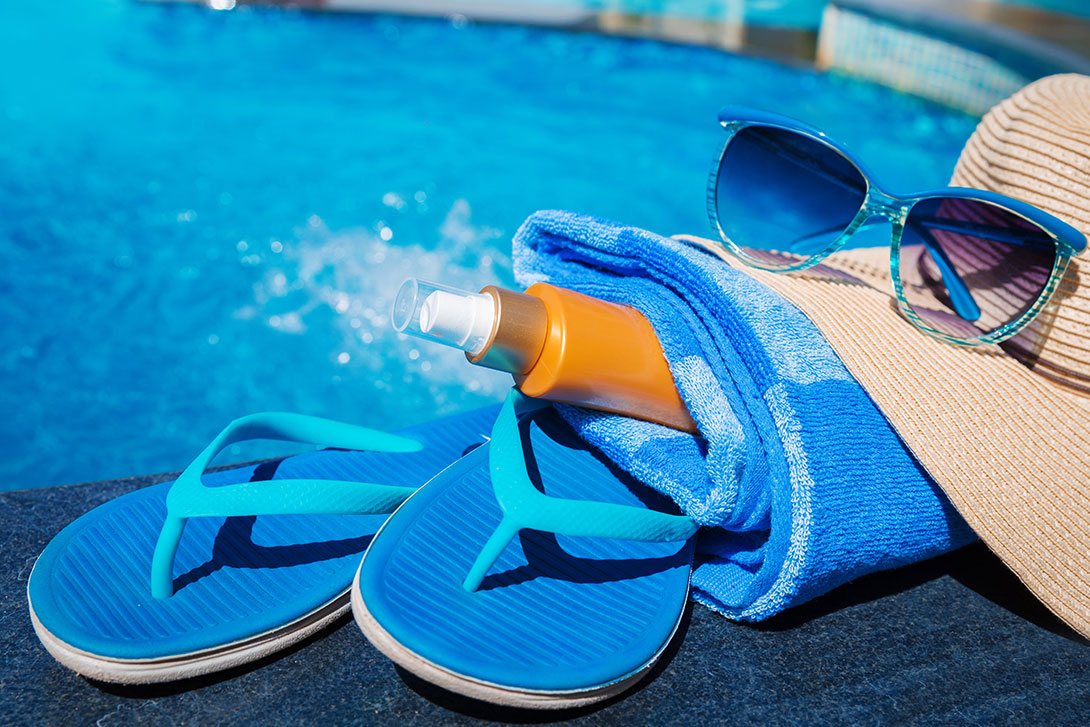
For reliable sun safety, make sure you have:
- High SPF, water-resistant sunscreen for adults and children
- A hat that fits well and will not easily blow away
- Polarised sunglasses
- SPF lip balm
- At least one light cover-up or long-sleeve shirt
Apply sunscreen generously in the morning, especially to your face, nose, ears, shoulders and the tops of your feet. Reapply after swimming or every couple of hours on deck. Many sailors choose reef-friendly formulas to reduce their impact on marine life.
Polarised sunglasses reduce glare from the water and make it easier to see the coastline, sails and instruments without straining your eyes. A simple strap that keeps your sunglasses around your neck can prevent an expensive pair from vanishing into the sea.
People often forget about their lips until they burn. An SPF lip balm that you can top up frequently is a small but essential detail. If you have very fair skin or expect to spend a lot of time in direct sun, UV arm sleeves or long, light cotton or linen sleeves offer reliable protection without feeling heavy.
Hydration is a quiet but crucial part of sun safety. An insulated metal or glass water bottle keeps your drink cool and avoids the taste issues that can come from plastic bottles left in the sun. Refill whenever you can and keep the bottle close to hand on deck.
For children, a simple white cotton T-shirt over swimwear during the hottest hours provides extra defence. Lightweight long-sleeve shirts or beach cover-ups do the same job for adults who want a break from the sun without leaving the cockpit.
5) What To Wear On A Sailing Vacation
When people ask what to pack for a yacht trip, clothing is often the area they worry about most. Fortunately, you need fewer items than you think, as long as you choose wisely.
A simple approach is:
- Plan enough underwear for each day of your trip.
- Take almost as many T-shirts as days on board, since tops get sweaty and salty quickly.
- Add one or two long-sleeve shirts in cotton or linen for intense sun.
- Choose a few lightweight shorts, trousers or skirts that you can mix and match.
Most days you will live in swimwear and easy, breathable layers. Loose shorts, light trousers and casual skirts work well both on board and in coastal towns. Bottoms usually stay fresh longer than tops, so that you can pack fewer of them without any problem.
If you like summer dresses and plan to walk a lot, a small comfort tip is to bring a little talcum powder or light tights to help prevent thigh chafing on very hot days.
If you plan to eat out in marinas, pack at least one outfit that feels slightly more dressed up for dinner, even if it is just a nicer shirt or a simple dress. Coastal restaurants are usually relaxed, but it is pleasant to have something that feels different from your daytime sailing gear.
Add at least one light sweater or fleece for cooler evenings, and a windbreaker or light waterproof jacket for breezy or cloudy days. In May, early June or September, the air on the sea can feel noticeably cooler than on land after sunset, so an extra warm layer or a basic sailing jacket and trousers are worth bringing.
Footwear deserves a little thought. Yachts are full of smooth surfaces that become slippery when wet. Non-slip, light coloured shoes or trainers that do not mark the deck are ideal on board. They protect your feet and help you stay stable when the boat moves. For marinas and showers, simple sandals or flip flops that dry quickly are enough. If you enjoy exploring towns or walking along coastal paths, include one pair of comfortable walking shoes.
If you expect to help with lines and sails, light sailing gloves protect your hands and improve your grip on ropes and the wheel. Swim goggles or a basic snorkel mask are helpful if you enjoy exploring underwater around anchorages.
Soft packing cubes or fabric bags help keep your clothing organised in small cabin cupboards. They also make it easier to separate clean items from those that need airing or washing.
6) Mosquito And Insect Protection
Many visitors are surprised to find mosquitoes along the Adriatic coast. They are not dangerous malaria carriers, but they can be irritating on still evenings in marinas and quiet bays.

To keep them under control, it helps to bring:
- A mosquito repellent you already know works for you
- After a bite, gel or soothing cream
- Light sleepwear that covers arms and legs if you are very sensitive
Use repellent around sunset and before going to bed, especially if you sit outside in the cockpit. If your yacht has mosquito screens on hatches, keep them in place at night. Some people like to bring a small plug-in repellent to use when connected to shore power. If you do, always follow safety instructions and respect your charter company's rules.
7) Luggage That Really Works On A Yacht
Cabins on yachts are compact and shaped by the curve of the hull. This gives them a cosy character, but makes traditional hard-shell suitcases awkward.
Soft luggage is almost always the better choice:
- Duffel bags that can fold flat
- Travel backpacks that squash into lockers
- One small day pack per person for shore trips
Once you have unpacked, soft bags can be folded or slid under beds and benches, which keeps the floor clear and movement easy. The day pack can carry your towel, sunscreen, phone, water bottle and camera when you explore towns or walk to the beach.
8) Hygiene, Toiletries, and Water Use
Most people have favourite brands of shampoo, soap and skincare. You will find shops and pharmacies in many Croatian ports, but if you like particular products, it is easier to bring them with you in travel-sized bottles.
A compact kit is usually enough:
- Toothbrush and toothpaste
- Deodorant and shaving items
- Simple skincare products
- Any special creams or products for children
Travel-sized packaging saves space in bathroom cupboards and makes it easier to respect freshwater limits on board. You can refill your water tanks in marinas, but between stops, it is wise to keep showers short and avoid leaving taps running.
Facial wipes and a small pack of tissues are handy for a quick refresh during longer sailing legs. For babies and young children, remember any specific creams, shampoos, or lotions they may need, as these are not always easy to find in small coastal villages.
9) Towels For The Boat And The Beach
Most charter contracts in Croatia include bed linen, but towels are often an optional extra or provided in limited numbers. Check your booking confirmation to see what is included.
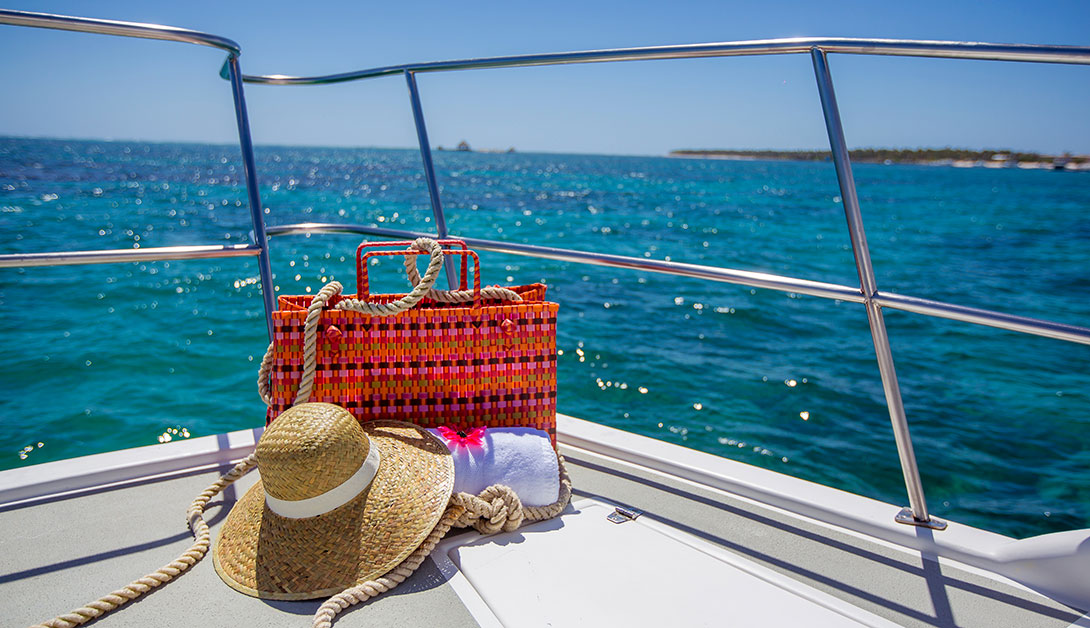
To keep things simple, many sailors bring:
- One microfibre travel towel per person
- One lightweight beach towel or sarong per person
Microfibre towels are light, fold down small and dry quickly in the sun, which suits boat life very well. They work after showers on board or in marinas. Larger towels or sarongs are ideal for sunbathing on deck or stretching out on the beach, and they double as cover-ups when you walk to a café.
10) Sailing Suit and Boots

If you sail in May, June or September, it is a good idea to bring a sailing suit and boots if you have them. If not, pack extra warm layers and a windbreaker, as the weather can be unpredictable and nobody can guarantee over 30 degrees Celsius every day of your holiday. At sea, it is usually a little cooler than on the coast.
A Quick Overview Before You Close Your Bag
When you stand in front of your open suitcase, it helps to run a simple mental checklist. Ask yourself whether you have the essentials in each of these areas:
- Documents and money
- Health and medicines
- Sun and weather protection
- Clothes and shoes
- Tech and power
- Hygiene and towels
If each category is covered with a few well-chosen items, you are closer to ready than you think.
Weather, Safety, and Sailing With Children
Weather awareness is one of the most essential habits for any sailing vacation. Most popular forecast apps work well for Croatian locations, and many sailors add a specialist wind app. Combine what you see there with the briefing from your charter base and, if you have one, your skipper's advice. Use this information together to decide each day's route based on comfort and safety, not just distance.
Safety equipment comes as standard on charter yachts. There will be life jackets on board, and the base staff will show you where they are stored and how to use them. If you sail with children, tell your charter company their ages and approximate weights before you arrive so child-sized life jackets are ready on your boat.
Families often choose to have a safety net fitted along the guardrails. Even with that extra layer, a few straightforward rules make life easier:
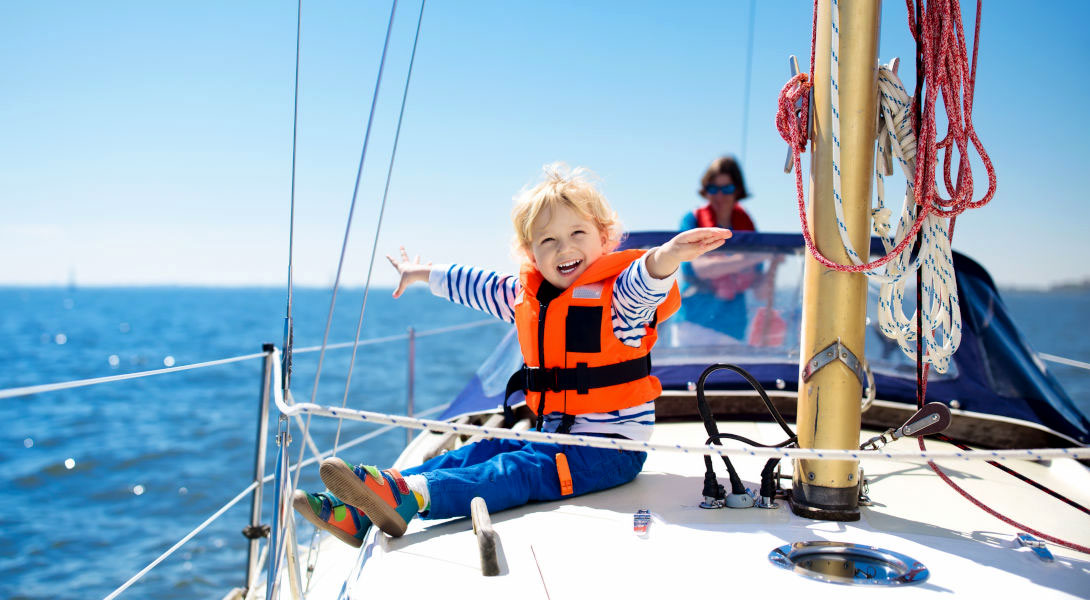
- Children wear life jackets whenever the boat is moving.
- Children go on deck only when an adult is with them.
After a day or two, these routines become normal, and everyone relaxes.
Special Notes For Skippered Yacht Charters
If you are wondering what to pack for a yacht trip when you have hired a skipper, the essentials stay very similar. You still need comfortable clothing, good sun protection, personal medicines and the right luggage. The main difference is that you do not need to think about sailing gear or navigation equipment, because your skipper brings professional experience and often their own kit.
One practical detail is easy to forget. Charter guests are responsible for the skipper's food and non-alcoholic drinks. When you shop for provisions at the start, count the skipper as one more adult and ask about allergies or preferences. If you often eat dinner in restaurants, it is normal for the skipper to join you. If you prefer quiet meals alone on shore sometimes, discuss in advance how their meals will be covered on those evenings.
If you plan to do some recreational fishing, you will usually need a permit. These are often available online or at local offices in your departure port. Rules and prices change, so the most straightforward approach is to ask your charter company or skipper for up-to-date information about Croatian waters.
Packing List Extras For Comfort And Leisure
Once the essentials are sorted, a few small extras can turn a good trip into a great one.
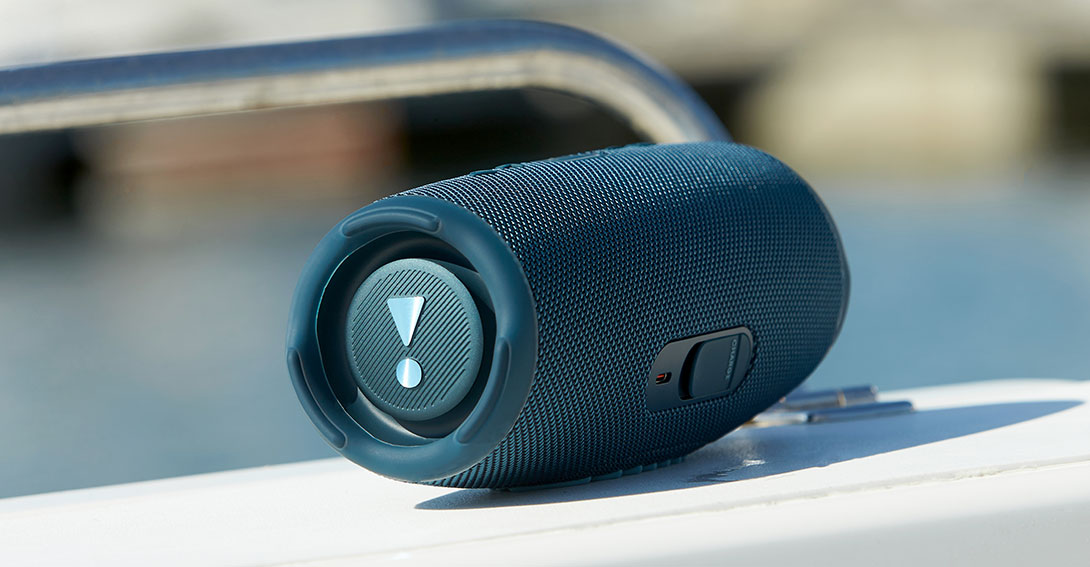
Guests often enjoy bringing:
- A small portable speaker for music or podcasts
- A pack of cards or a compact travel game
- A couple of paperbacks or an e-reader
- A simple inflatable raft or float
Soft music in a quiet bay creates instant atmosphere. Card games and simple travel games are perfect for lazy afternoons in the cockpit or relaxed evenings at anchor. Books or an e-reader let you turn the deck into your personal sea view lounge.
Water toys add fun with minimal effort. An inflatable raft or float does not take much room in your bag, but quickly becomes a favourite accessory when you anchor in a calm bay. If you are a hammock fan, a lightweight travel hammock can sometimes be rigged safely on board. Always ask your skipper or base staff to show you suitable attachment points.
These extras are not essential, but they add personality and help the yacht feel like your temporary home, not just a place to sleep.
Transfers And Arriving At The Marina
Your holiday really begins on the journey from the airport to the marina. Organising this step before you travel is an easy way to avoid stress.
In high season, airport taxi queues can be long, and prices may be higher than expected. Booking a shuttle or private transfer in advance is often more relaxed and sometimes cheaper. You can arrange this yourself online or ask your charter company to help. Share your flight number and a mobile contact so the pickup can adjust if your flight is early or delayed.
Keep the name of your marina, the pier or gate number and the name of your yacht written down or saved on your phone. After a flight and a warm drive, it is easy to forget details. Having everything together makes check-in smoother and gets you on board faster.
Common Questions About What To Pack For A Yacht Trip
For a typical seven day sailing holiday, most people feel comfortable with two or three sets of swimwear, enough underwear for each day, almost as many T shirts as days, one or two long sleeve shirts, a few lightweight shorts or trousers, one or two warm layers, a light windbreaker, non slip shoes, sandals, a hat, polarised sunglasses, sunscreen, a microfibre towel, personal medicines, a compact toiletry kit, phone, chargers, power bank, dry bag and all necessary documents.