Konoba Meaning Explained | Konoba Croatian Culture & Authentic Konobas Croatia Guide
Croatia is a culturally rich country with an incredible coastline, historic towns and a strong food tradition. If you are planning to sail the Dalmatian coast or travel along the Adriatic, you will see the word KONOBA on restaurant signs everywhere. Many visitors ask the same thing:
What does "KONOBA" mean and how can you distinguish authentic KONOBA's from touristy spots in Croatia?
This guide helps you recognise genuine, local konobas to ensure an authentic experience.
This guide explains the konoba meaning, its role in Croatian culture, and how to find authentic, hidden-gem konobas in Croatia, where you can try authentic local specialities.
What does "konoba" mean in Croatian?
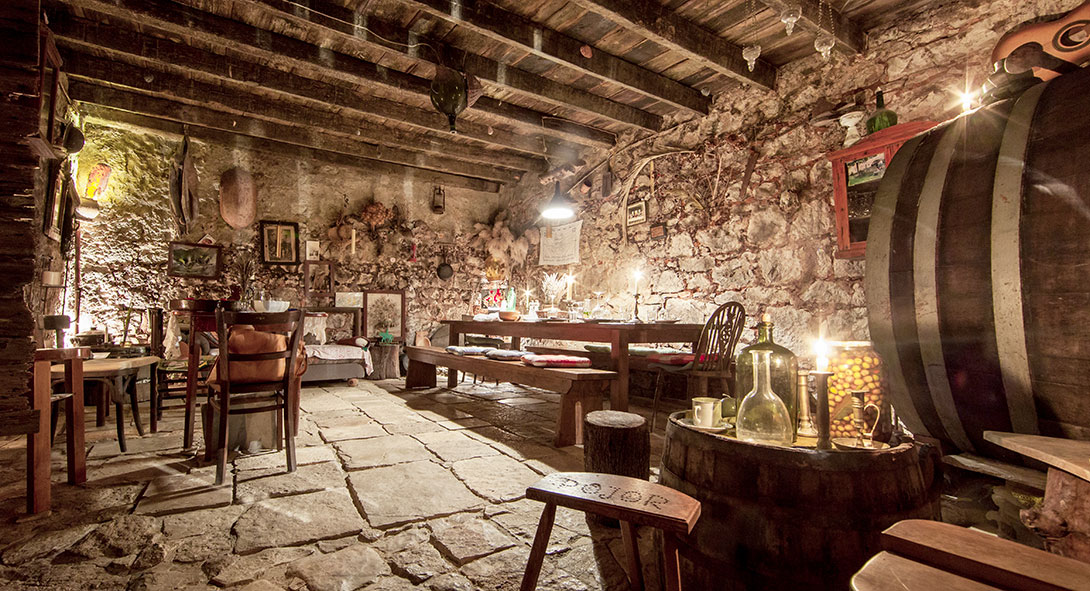
A beautiful photograph by Stjepan Tafra of a real, authentic konoba in Croatia.
In Croatian, konoba refers to a traditional tavern or rustic eating place that serves local food and wine. It is usually small, informal and often family-run.
- Pronunciation: koh-NO-bah
- Simple meaning: tavern, cellar, rustic restaurant
- Region: widespread along the Dalmatian coast and islands
Historically, a konoba was the storage and work room of a household. It was where families kept wine barrels, cured meats and food supplies. Over time, it became much more than storage. It turned into the place where food was prepared, where family and friends gathered, where people sang and told stories.
The word KONOBA likely comes from the Latin word canaba or canapa, which described a place where the Roman army kept its provisions. Today, when you see a sign that says KONOBA in Croatia, it usually means a cosy tavern that focuses on traditional dishes, homemade wine, and a relaxed atmosphere, not a fine-dining restaurant. Even nowadays, there are some fine dining and pretty expensive konobas around.
If you search for "konoba" in Croatian or "konoba" meaning online, this is what people are looking for. A konoba is where you go for an authentic, local food experience in Croatia.
How a Konoba Differs from a Restaurant ?
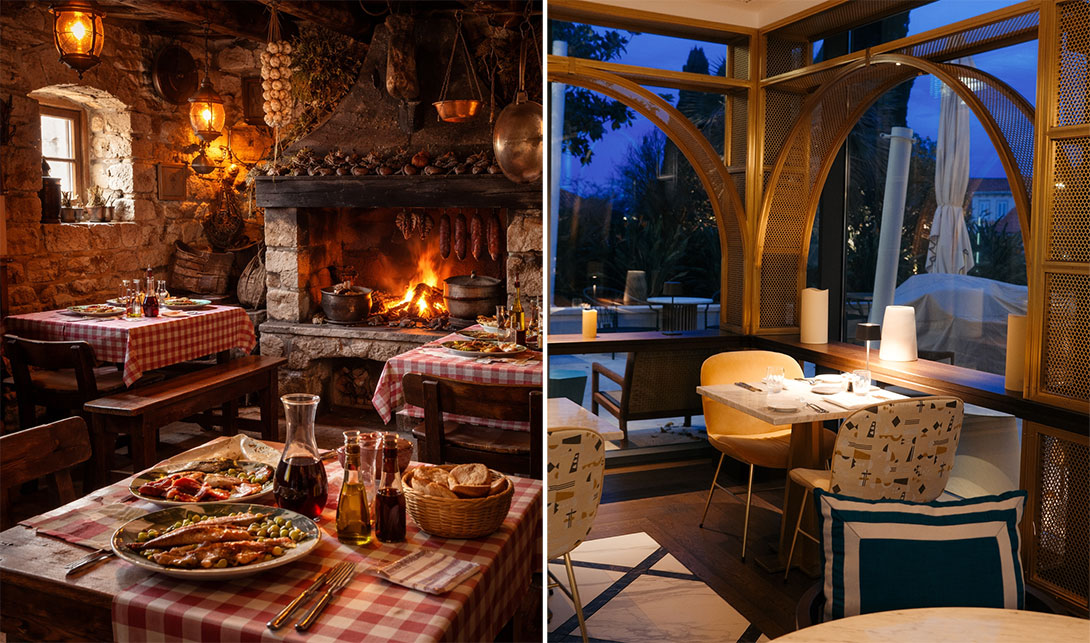
You will see both restaurants and konobas along the Croatian coast. At first, they can look similar, but there are some key differences.
Atmosphere and interior
A typical konoba has:
- Stone walls or an old stone house setting
- Wooden tables and benches instead of formal chairs
- A simple, rustic design
- A relaxed, home-like feel, often without fancy tablecloths
The idea is not luxury. It is warmth, tradition and comfort. You sit, share food and talk for hours.
Food and menu style
In a konoba, you can usually expect:
- A smaller, local menu that changes with the season
- Dishes based on what is fresh that day
- Classic Dalmatian and Croatian recipes, often slow-cooked
- House wine, homemade liqueurs and simple desserts
In a regular restaurant, the menu is often larger, more international and more focused on standard à la carte dishes. Konobas lean toward local, traditional and seasonal.
Ownership and sourcing
Most konobas are:
- Family-owned and operated
- Some owners catch their own fish, grow their own vegetables, and keep chickens for both eggs and meat, as well as sheep, while others are connected to local farmers and fishermen.
- Focused on local ingredients such as olive oil, vegetables, fish and meat from nearby farms
Some konobas are directly linked to OPG family farms, which is one of the best signs you are about to eat truly local food.
What is an OPG, and why does it matter for Konobas
You will often see the term OPG mentioned next to konobas in Croatia. OPG stands for "Obiteljsko poljoprivredno gospodarstvo", which translates to family farm.
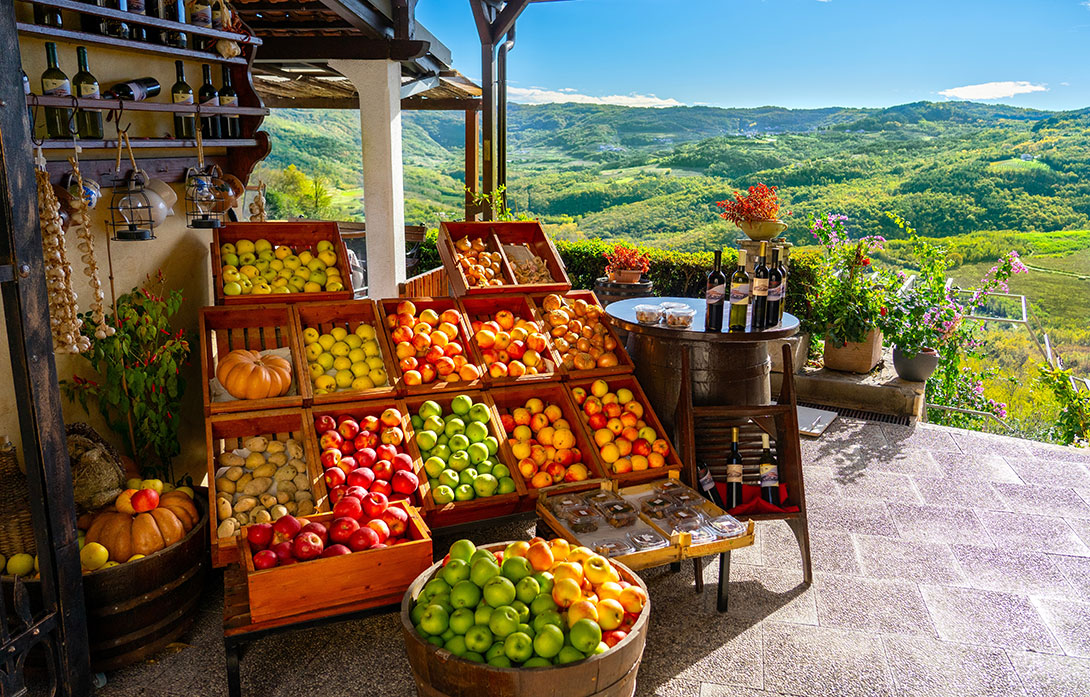
An OPG is:
- A small agricultural business run by members of the same household
- Focused on production from their own land and animals
- Often, the source for the konoba's food and drink
Typical products from an OPG include:
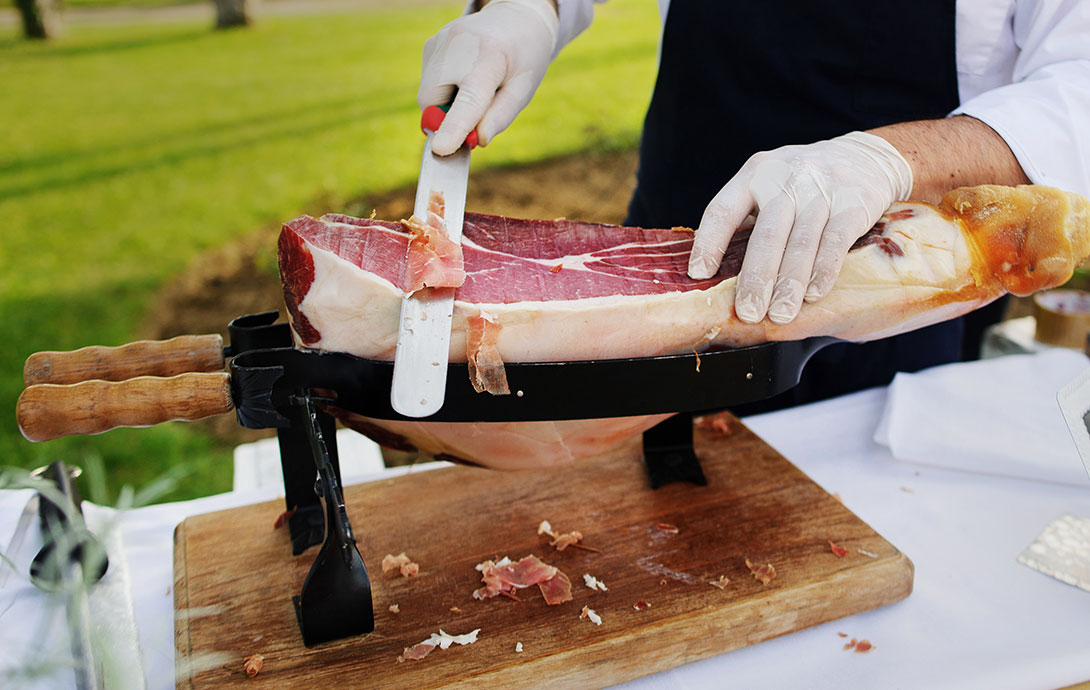
- Homemade smoked ham (pršut)
- Local cheeses
- House wine and grappa
- Seasonal fruits and vegetables
- Olive oil and sometimes honey
When you visit a konoba that is run by or connected with an OPG, you are usually getting food that is:
- Locally sourced
- Seasonal
- Prepared in a traditional way
Reaching these konobas sometimes requires extra effort. They are often located in the hinterlands or hills. While transport costs may add up, the meal itself is usually less than dining in the main port area, making it a budget-friendly option for authentic Croatian cuisine. If you want to discover authentic local food and avoid tourist traps, be prepared to explore beyond the main areas, which will inspire a sense of adventure and curiosity.
How to Discover Authentic Croatian Food Along the Coast ?
If you want to discover authentic local food and not just eat on the main tourist strip, you need a strategy. This directly addresses the question: How can you find hidden gems on the Croatian coast to try local specialities?
Here is a simple, practical approach.
1. Look beyond the marina and main promenade
The most authentic konobas are rarely in the front row of the port where all the yachts dock. Instead, look for:
- Hills above the town
- Small inland villages
- Quiet side streets with stone houses
On many islands, such as Hvar, Brač and Vis, some of the best konobas are in the hills rather than by the sea. A short taxi ride can completely change your experience.
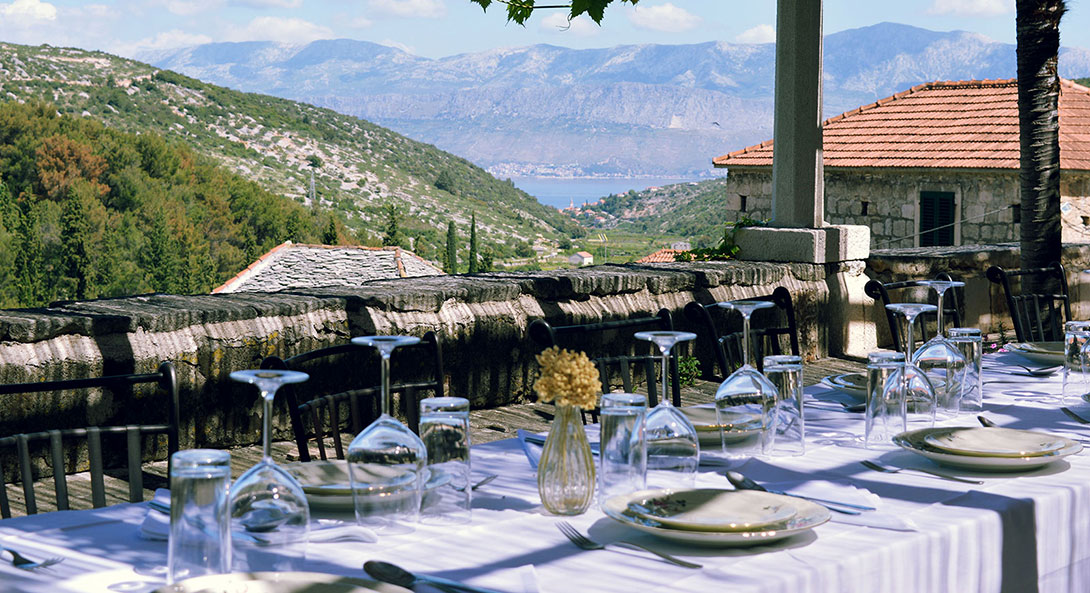
If you are on a skippered yacht or exploring inland, ask your skipper or taxi driver specific questions like: 'Where is a family-run konoba with local food nearby?' or 'Can you recommend a hidden gem konoba in this area?' to find authentic spots. If you are on a skippered yacht charter, your skipper is often your best source of information. They usually know:
- Which konobas are truly local
- Where to get the best peka
- Which places are suitable for your preferences and budget
If you are the skipper yourself, a good tactic is:
- Find a cab driver who speaks English or German
- Ask for their personal recommendation for a family-run konoba with local food
- Agree on a return trip price in advance
Local taxi drivers often collaborate with konoba owners. This does not always mean higher prices. Usually, you get a better value meal outside the central tourist zone.
2. Use Google Maps, TripAdvisor and reviews smartly
Online reviews are helpful if you know what to look for.
On Google Maps and TripAdvisor, check for:
- Ratings around 4.5 and above
- Photos that show rustic interiors, stone terraces and traditional dishes
- Reviews that mention words such as:
- konoba
- OPG
- family run
- homemade wine
- peka
- pašticada
TripAdvisor is not perfect, but combined with maps and photos, it is a good starting point to locate konobas in Croatia that match what you are looking for.
3. Look on Facebook and Instagram
Many konobas are very active on Facebook and Instagram. You can:
- Search by town or island name together with "konoba"
- Look at recent photos of dishes
- Check whether they post about peka, pašticada or fresh fish
- Use the map directions from the profile
Some of the best konobas do not have fancy websites. Instead, they show their daily life and food on social media. This is a reliable way to get a sense of their atmosphere before you go.
4. Search for OPG konobas
If you see OPG in the name or description of a konoba, that is usually a perfect sign. It often means:
- The ingredients come from the family farm
- You get house wine, olive oil and home-cured meats
- The experience is very local and personal
These are precisely the kind of hidden gems most travellers seek when looking for konobas in Croatia.
Dishes To Try in a Konoba
Once you arrive at a konoba, what should you eat? These are some of the classic Dalmatian and Croatian dishes that often appear on konoba menus.
Dalmatian Peka
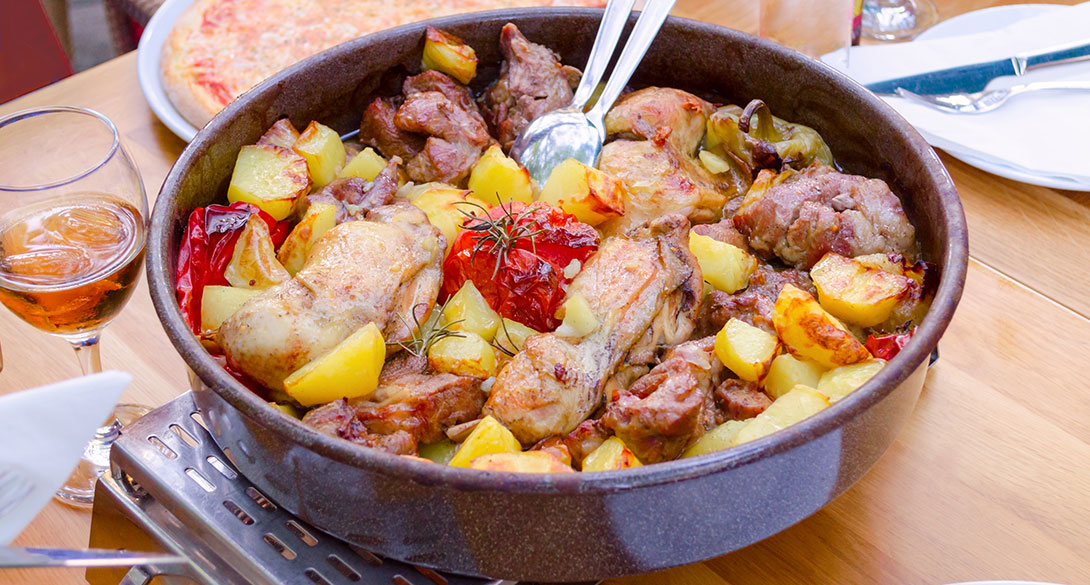
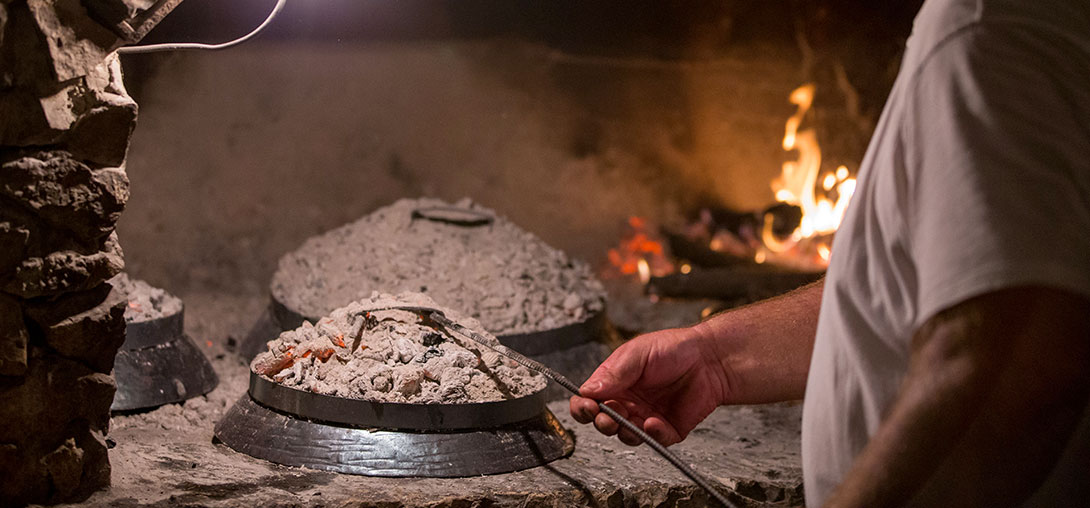
Peka is one of the most traditional dishes you can have in a konoba. It is:
- Meat or seafood, usually veal, lamb or octopus
- Mixed with potatoes and vegetables
- Simmered under a heavy iron bell covered with hot coals
Important: Peka almost always needs to be pre-ordered, often a day in advance or at least in the morning for dinner. Many konobas will ask you to reserve both the table and the peka.
Dalmatian Pašticada
Pašticada is a slow-cooked beef dish in a rich sauce, often served with gnocchi. It has a strong local tradition, especially in Dalmatia, and is often served as:
- A special Sunday meal
- A lunch or early meal known as marenda, gablec or užina, depending on the region
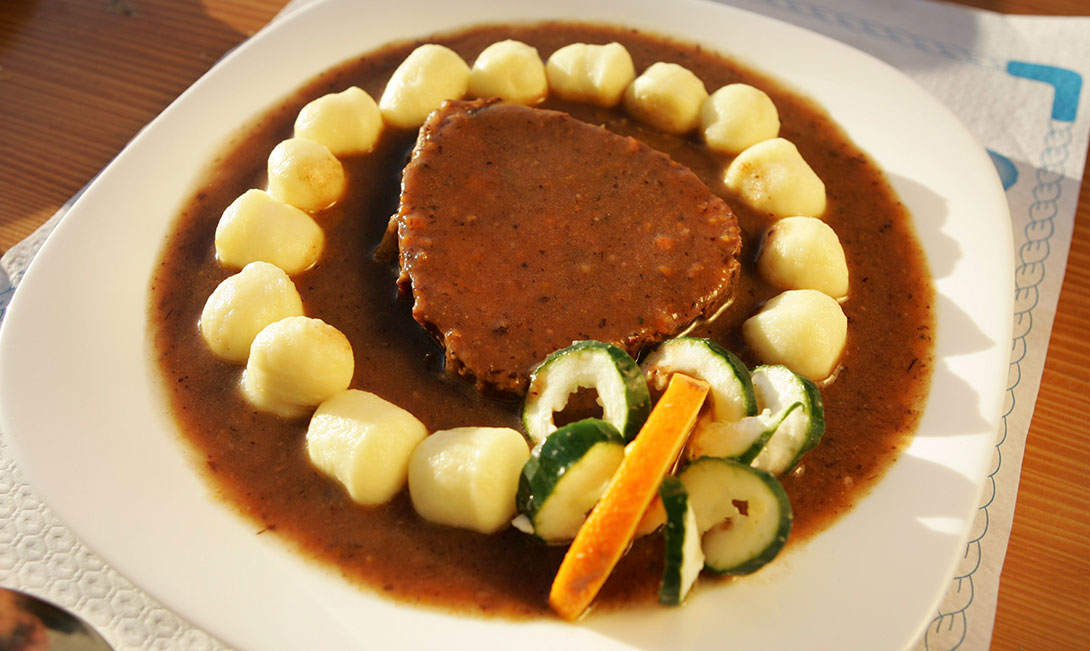
Marenda is a crucial local habit. Many working Croatians expect restaurants to offer a hearty, affordable, warm meal in the late morning or early afternoon. These daily menus are often cheaper and very authentic, usually priced modestly per person, including a drink and salad. If you want to try pašticada like a local, look for places that offer marenda in the hinterlands of the coast or city suburbs, rather than only on tourist strips.
Other common konoba dishes
In konobas across Croatia, you will also find:
- Grilled fresh fish and squid
- Octopus salad
- Black risotto
- Lamb roasted on an open fire
- Smoked ham (pršut) and local cheeses
- Seasonal vegetable side dishes and simple desserts
A good konoba menu is not huge. It is focused on what they do best that day.
Practical Tips for Eating in Konobas as a Visitor
To feel relaxed and comfortable when you visit a konoba in Croatia, keep these points in mind.
Menus and language
In most tourist areas along the coast and islands, menus are:
- Available in Croatian and English
- Sometimes translated into other languages, such as German or Italian
Translation is not always perfect, especially for local fish types or cuts of meat. Do not hesitate to:
- Ask the waiter what a particular fish or dish is like
- Ask for a recommendation based on what is fresh that day
Reservations and pre-orders
For popular konobas in high season, it is smart to:
- Reserve a table in advance
- Call or message earlier in the day if you want peka or another slow-cooked dish
If you see a Facebook page or phone number on Google Maps, use it to confirm opening hours, transport options, and whether pre-booking is necessary.
Dietary preferences
If you have specific dietary needs:
- Explain clearly and simply to your waiter
- Ask which dishes can be adjusted
- Focus on grilled options and simple plates if you need more control over ingredients
Croatian hospitality is generally friendly and flexible, especially in family-run konobas, so do not be shy about asking.
Final Thoughts
Understanding the meaning of konoba helps you get much more out of your trip to Croatia. A konoba is not just another restaurant. It is a piece of Croatian daily life, especially in Dalmatia. It is a place where families cook what they know best, often with ingredients from their own fields, vineyards and gardens.
When you search for konobas Croatia or see the sign KONOBA while walking through a village or sailing along the coast, you now know what it stands for. Look beyond the central tourist promenades, ask locals for advice, check OPG connections and do a bit of research on maps and social media.
If you do that, you will find the hidden gem konobas in Croatia where you can enjoy authentic local specialities and experience genuine Croatian hospitality.
Bon appétit and sretan put – have a great trip.