Zadar Sailing Route: 7-Day Itinerary, Sailing Map, Swim Stops & Mooring Tips
Zadar Sailing Route: 7-Day Itinerary, Sailing Map, Swim Stops, and Mooring Tips
Planning a Zadar sailing route is one of the best ways to explore the northern Dalmatian coast at a relaxed pace. The Zadar archipelago gives you short sailing legs, protected bays, quiet island villages, excellent swim stops, and easy access to highlights such as Molat, Dugi Otok, Sakarun, Iž, Rava, Žut, Telašćica, and Kornati.
For a broader overview of nearby islands, marinas, anchorages, and sailing areas, read our guide to the Zadar sailing region.
This 7-day Zadar sailing itinerary is designed for crews who want enough time to swim, enjoy local villages, avoid rushing between anchorages, and still experience some of the most beautiful sailing areas in Croatia. It works well for bareboat charter guests, skippered charter guests, families, couples, and mixed-experience crews starting from Zadar, Sukošan, or Biograd.
The route below is a circular itinerary. It can be adjusted depending on your charter base, weather forecast, sailing experience, and whether you prefer marinas, mooring buoys, or quiet anchorages.
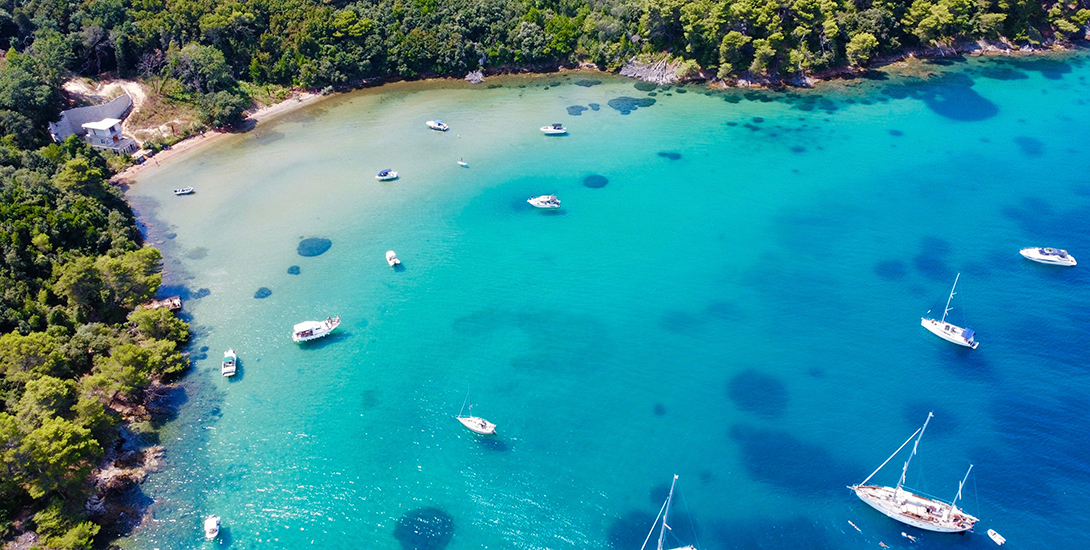
Quick Zadar sailing route summary
The best relaxed sailing route from Zadar follows the island chain northwest of the city before returning south through Dugi Otok, Iž, Rava, Žut, and the Kornati or Telašćica area.
A good 7-day route looks like this:
This itinerary keeps most daily legs manageable, which means more time for anchoring, swimming, lunch stops, and exploring ashore.
Best time for this Zadar sailing itinerary
The best period for sailing from Zadar is usually from May to October.
May and June are excellent for quieter bays, pleasant sailing temperatures, and lighter crowds. July and August bring warmer sea temperatures, busier anchorages, and more demand for marina and buoy reservations. September is often one of the best months because the sea is still warm, the islands are calmer, and the sailing conditions are usually comfortable.
For a relaxed swim-focused route, June and September are especially strong choices. July and August still work well, but plan earlier starts, reserve moorings where possible, and keep more flexibility in your route.
Day 1: Zadar, Sukošan, or Biograd to Molat
Your first day should be simple.
After check-in, provisioning, safety briefing, and route planning, choose a comfortable first leg toward Molat or a nearby protected bay. Molat is a strong first stop because it gives you a real island feeling without forcing a long passage on the first afternoon. Brgulj Bay is a popular option for overnighting, especially for crews looking for calm surroundings and a slower start to the week.
Suggested first-day plan:
If you leave late, do not overcommit. It is better to choose a closer safe stop than to rush into an unfamiliar anchorage near sunset.
Sedmovrace (area between islands of Molat, Tun Mali, Tun Veli, Zverinac, and Dugi Otok)
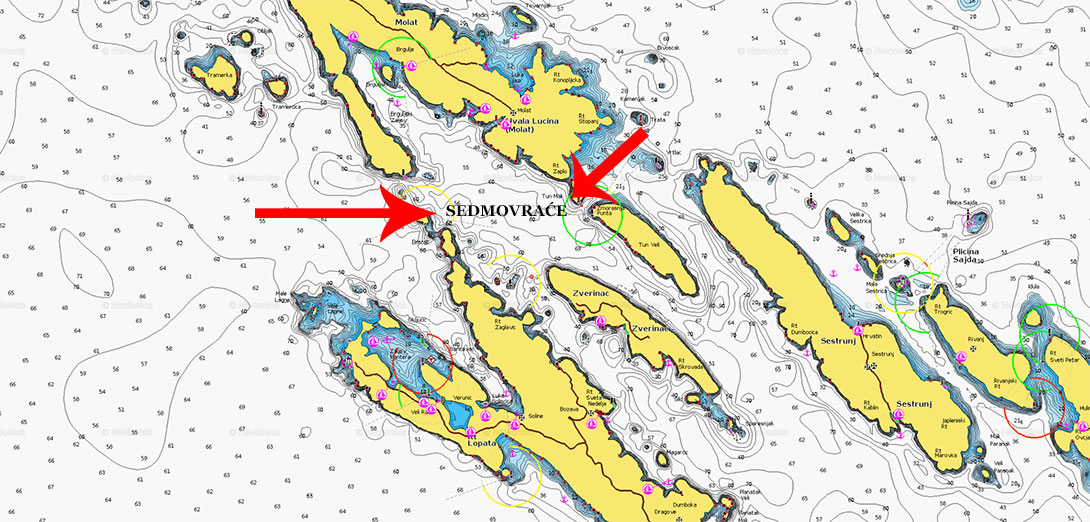
At the beginning of this route, you cross the Zadar channel to the eastern entrance to Sedmovrace; (Sedmovraće is called the Sea area between the islands of Molat, Tun Mali, Tun Veli, Zverinac, and Dugi Otok). On the first day, you can find an anchorage with buoys in the Brgulj Bay, at the island of Molat.
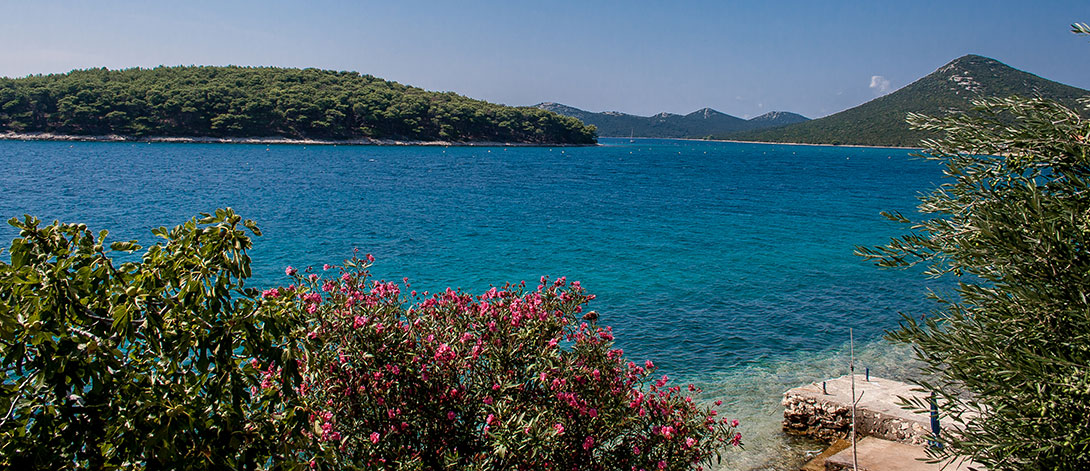
Notice:
However, we must not forget that the entire central Adriatic (and especially the part between Sedmovraća and Kornati) is on one of the usual routes of summer storms. They arrive from the west, and the high coast of Long Island can cover up their arrival until the moment when it may be too late!
Day 2: Molat to Dugi Otok.
From Molat, continue toward Dugi Otok. This part of the Zadar sailing route gives you a mix of open-water feeling and protected island options.
Good overnight choices include Pantera Bay, Veli Rat, or Božava, depending on weather and crew preference. Veli Rat is known for its lighthouse area, while Božava gives you a more settled village stop. Pantera Bay can be a beautiful anchorage, but always check wind direction before committing.
Suggested second-day plan:
This day is ideal for keeping the route short enough to enjoy swim stops instead of simply moving from one overnight point to the next.
Day 3: Dugi Otok, Sakarun, Božava, and Zverinac
Day 3 can be planned around swimming and beach time. The Sakarun area is one of the best-known swimming spots in the Zadar archipelago, especially because of its shallow turquoise water and sandy seabed.
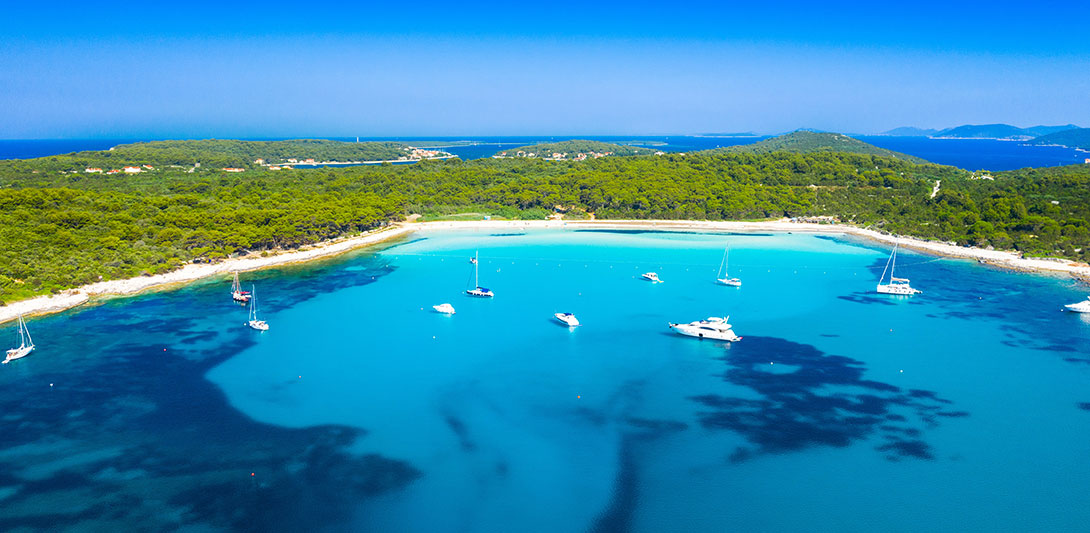
Depending on conditions, you can spend part of the day near Sakarun, then continue toward Božava, Zverinac, or another suitable anchorage. Zverinac is useful if you want a quieter stop and a good position for continuing toward Iž or Rava the next day.
Suggested third-day plan:
If your crew wants a relaxed itinerary, avoid trying to pack too many stops into this day. Sakarun is best enjoyed when you leave enough time to anchor properly and swim without watching the clock every ten minutes.
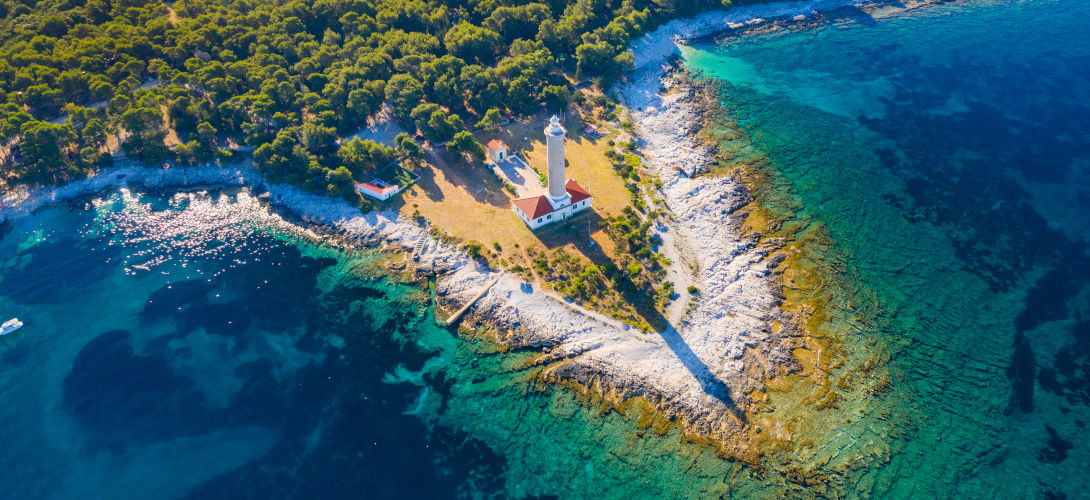
IMPORTANT NOTICE:
When you enter the Zverinac channel, you have to choose to steer a little further to the left if the destination is Zverinac. Because it is important to mention when leaving the marina Veli Rat or Port of Solišćica, you cannot pass through the narrow passage between Cape Borji (Dugi Otok) and the islet of Bršćak! The next pass between Bršćak and Golac is only 3 meters deep, so if the sea is not completely calm and transparent, it will be better to pull another half a mile to the north and only then, around the island Golac, turn south.
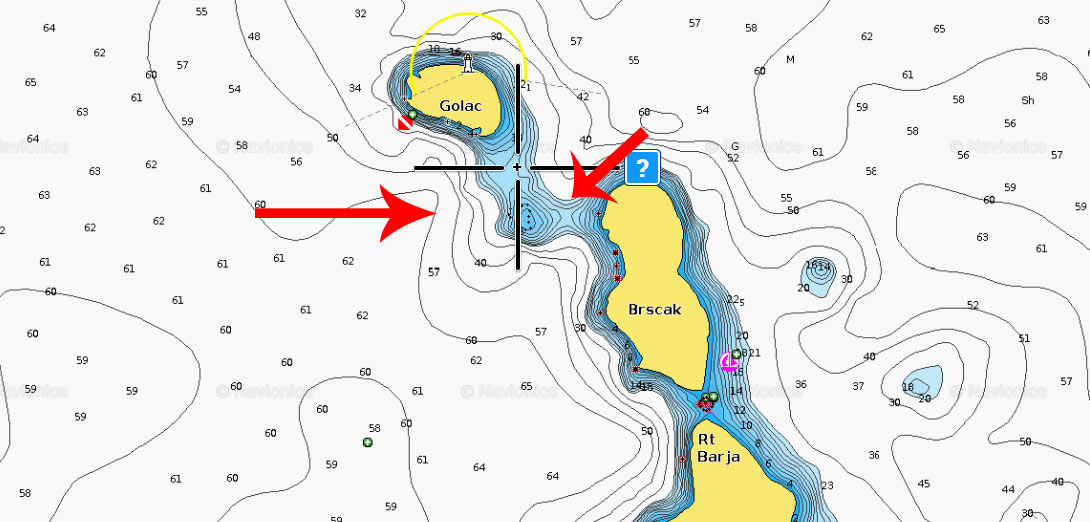
Another mile further, sailing towards the Zverinac Channel, you will come across two underwater cliffs marked with crosses on the map - on the one closer to the middle of the channel, there is a pillar with light (white flashes, 2 in a row). The unmarked cliff is hidden on the side towards Dugi Otok!
Day 4: Dugi Otok to Iž or Rava
From the northern or central part of Dugi Otok, continue toward Iž or Rava. This is one of the best sections of the route for crews who like smaller islands and quieter evenings.
Veli Iž and Mali Iž are good options if you want a village atmosphere, restaurants, and easier shore access. Rava is better if your priority is a quieter, more intimate island stop.
Suggested fourth-day plan:
This part of the Zadar sailing itinerary is where the route starts to feel less like a checklist and more like real island-hopping. The distances are manageable, the scenery changes often, and there are plenty of places to pause.
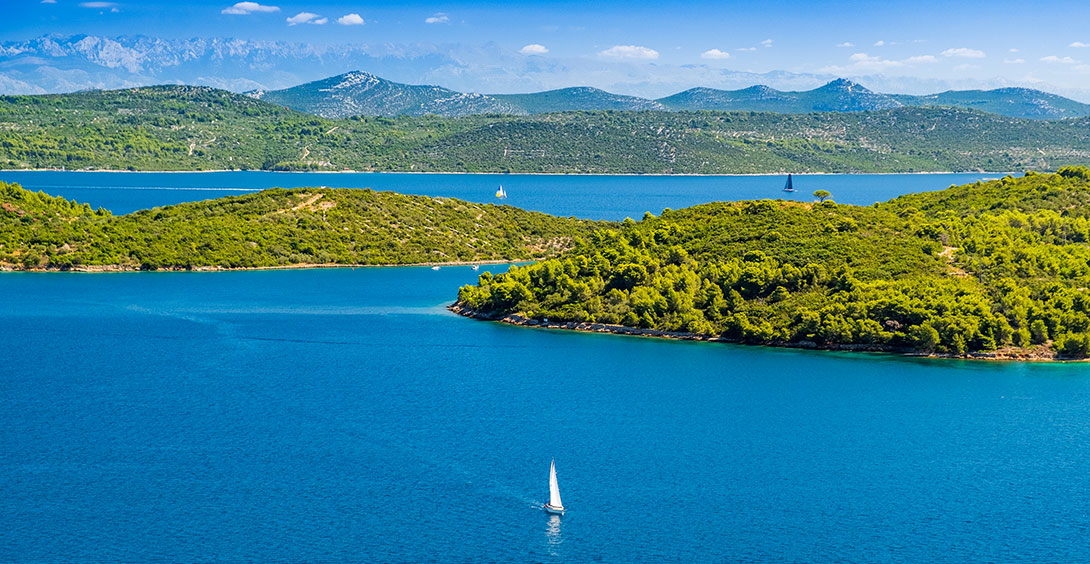
Day 5: Iž or Rava to Žut, Brbinj, or Lučina Bay
Day 5 can move the route toward Žut, Brbinj, Lučina Bay, or a nearby anchorage depending on your plan for the final two days. This is a good point to decide whether your crew wants a Kornati-style finish, a Telašćica option, or a softer return toward Zadar.
Lučina Bay and the surrounding Dugi Otok area can be excellent for swimming and shelter when the conditions are suitable. Žut is a practical choice if you want to position yourself closer to Kornati or the southern route back toward your charter base.
Suggested fifth-day plan:
This is also a good day to review fuel, water, provisions, and marina needs before the last part of the trip.
Day 6: Žut, Telašćica, or Kornati option
Day 6 is where you can choose between a more dramatic sailing day and a softer return route.
If your crew wants national park scenery, consider a Kornati or Telašćica option. Kornati is one of the most iconic sailing areas in Croatia, with stark islands, clear water, and a completely different atmosphere from the greener islands closer to Zadar.
If your crew prefers shorter legs and more swim time, stay around Žut, Dugi Otok, or a protected anchorage that gives you an easy final return.
Suggested sixth-day plan:
Kornati is beautiful, but it is not always the right answer for every crew. If the forecast is unstable or your crew prefers relaxed swimming over longer sailing, choose the calmer route. A good skipper knows when not to force the postcard moment.
Day 7: Return to Zadar, Sukošan, or Biograd
Your final sailing day should be planned conservatively. Charter return times, fuel dock queues, packing, and marina check-out can all take longer than expected.
Depending on your base, you can return directly toward Zadar, Sukošan, or Biograd. If time and weather allow, add a final swim stop near Ugljan, Pašman, or another convenient island on the return line.
Suggested seventh-day plan:
Do not leave the longest or most uncertain leg for the final day. It is better to return with time to spare than to race back against wind, fuel queues, and check-out deadlines.
Mooring and anchoring tips for the Zadar sailing region.
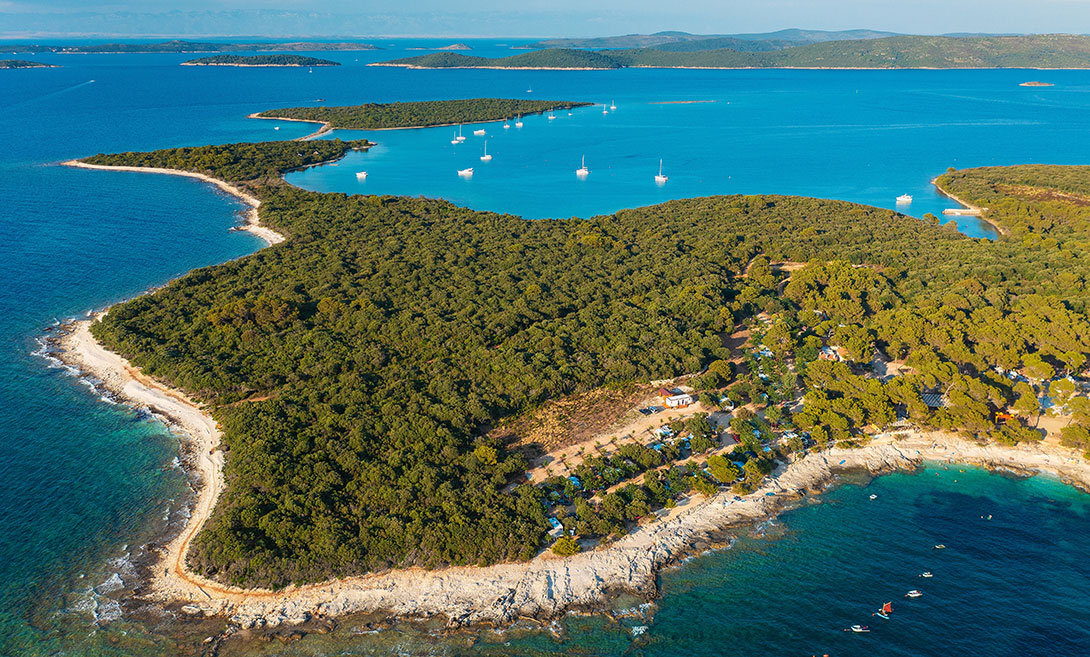
The Zadar sailing area offers marinas, town quays, mooring buoys, restaurant moorings, and natural anchorages. Each option has a different level of comfort, price, and protection. Use marinas when you need water, electricity, showers, repairs, or an easier evening ashore.
Use mooring buoys when you want a simpler overnight stop but still prefer more security than anchoring.
Use anchorages when conditions are settled and your crew is comfortable with anchoring technique, swing room, depth, and seabed holding.
Before choosing your overnight stop, check:
- Wind direction and expected overnight changes.
- Depth and seabed type.
- Shelter from swell.
- Nearby traffic and ferry routes.
- Local mooring rules.
- National park or nature park fees.
- Availability in peak season.
- Distance to the next day’s route.
In July and August, do not assume that the best mooring spots will still be free late in the afternoon. Plan earlier arrivals when possible.
Weather and safety notes
The Zadar archipelago is generally friendly for sailing, but it should not be treated casually. Weather can change quickly, and some channels or bays that look simple on a route map need attention in real conditions. Pay special attention to summer storm forecasts, especially when sailing near Dugi Otok. The high coastline can hide weather building from the west, so a storm may become visible later than expected.
Also take care around narrow passages, underwater cliffs, rocky areas, and exposed capes. Local knowledge matters in places where the chart looks manageable but the approach requires precision.
Before each sailing day, check:
- Official marine forecast.
- Wind direction and gusts.
- Possible thunderstorms.
- Safe alternatives if your planned anchorage becomes uncomfortable.
- Fuel and water levels.
- Crew fatigue.
- Sunset time.
- Distance to the next protected stop.
A good Zadar sailing itinerary should give you options. The safest route is often the one that leaves room to change plans.
Which boat is best for this Zadar sailing route:
A monohull sailboat is a strong choice for crews who enjoy traditional sailing, lower charter costs, and easier marina availability.
A catamaran is better for crews who want more space, comfort at anchor, shallow-water flexibility, and a more stable platform for swimming and relaxing.
A skippered yacht charter is the best option if your crew wants local route planning, stress-free navigation, help with mooring, and more confidence in changing weather.
A bareboat charter works well for experienced crews with the required licenses and confidence in anchoring, route planning, and local navigation.
For a swim-focused Zadar sailing itinerary, comfort at anchor matters. Choose a yacht that gives your crew enough shade, storage, swim access, and sleeping comfort. The route is more enjoyable when the boat fits the crew, not just the budget.
Final route advice
The best Zadar sailing route is not the route with the most stops. It is the route that fits your crew, your boat, your weather window, and your style of holiday.
If you want a relaxed week with plenty of time to swim, focus on shorter legs through Molat, Dugi Otok, Sakarun, Iž, Rava, and Žut. If your crew wants more dramatic scenery and does not mind longer sailing days, add Kornati or Telašćica. If the forecast changes, adjust the route early and choose the safer anchorage.
Zadar gives you enough islands, bays, and route options to build a sailing week that feels full without feeling rushed. That is the real advantage of sailing from Zadar. You do not need to chase distance to have a memorable itinerary. You just need the right route, the right boat, and enough flexibility to let the Adriatic do its thing.
FAQ about Zadar sailing routes
Written by: Angelina Yacht Charter route planning team
Written by: Angelina Yacht Charter route planning team
Last updated: May 2026
Based on: Local sailing experience from Angelina’s Zadar region bases in Sukošan and Biograd