Can You Still Exchange Croatian Kuna? 2026 Update and Official Guidelines
Can You Still Exchange Croatian Kuna? 2026 Update and Official Guidelines
Can You Still Exchange Croatian Kuna in 2026?
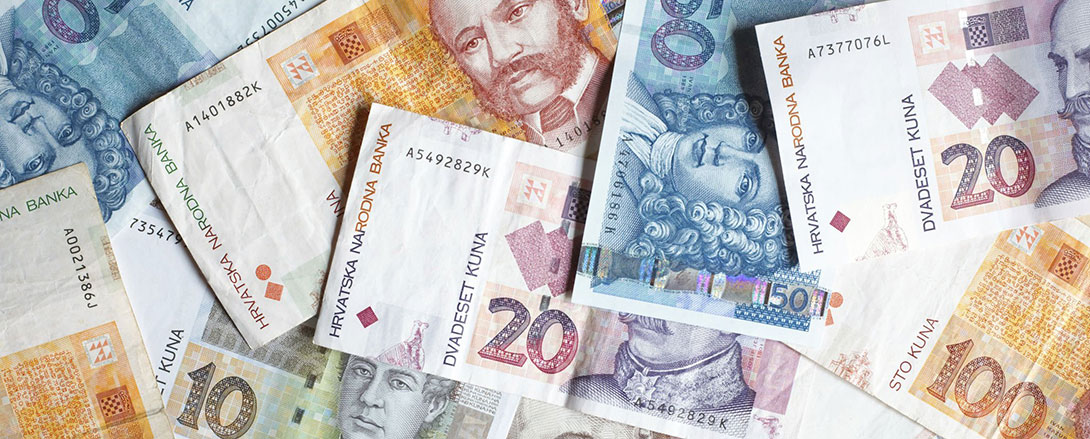
Yes, but only for banknotes. While Croatian Kuna coins are no longer accepted, banknotes can still be exchanged indefinitely at the Croatian National Bank (HNB). Most commercial banks and post offices in Croatia stopped accepting Kuna by December 31, 2023. However, the HNB continues to honor Kuna banknotes at a fixed exchange rate of 7.53450 HRK to 1 EUR.
Where Can You Exchange Croatian Kuna in 2026?
1. Croatian National Bank (HNB) - The HNB is the only institution where you can still exchange Kuna banknotes. You can do this:
- In person at HNB locations in Croatia
- By mail, following instructions provided on the HNB official website
2. Not at Commercial Banks or Post Offices - As of January 1, 2024, commercial banks and post offices no longer process Kuna exchanges. Their service window closed on December 31, 2023. Tourists and residents who missed that deadline must now use the HNB for all remaining Kuna banknotes.
3. Be Aware of Fees and Exchange Scams - Some private currency exchange offices or online services may offer to convert Kuna, but they often charge steep fees or use poor exchange rates. Stick with the HNB for official, fee-free exchanges.
What Was the Deadline to Exchange Kuna at Banks and Post Offices?
* Kuna Coins: No longer exchangeable after December 31, 2023
* Kuna Banknotes: Only exchangeable at the Croatian National Bank from 2024 onward
Implications for Travelers and Tourists
1. Bring Euros Only - Whether you're visiting major cities like Dubrovnik or remote islands, make sure to carry euros. Kuna is not accepted anywhere.
2. Avoid Currency Exchange Shops - Tourist-heavy areas often have currency exchange booths, but these may charge hidden fees. Use banks or ATMs to withdraw euros if needed.
3. Yacht and Charter Guests - For yacht travelers, the euro simplifies payments for fuel, marina services, and onboard extras. No more guessing how much Kuna to carry or searching for island exchange offices. Since most yacht charter clients are from the Eurozone, the switch to euros removed a long-standing inconvenience.
4. Use of Cards - Credit and debit card acceptance is widespread, even on islands and in smaller towns. Travelers can rely on cards for most transactions.
The old Kuna (HRK) has been replaced by the Euro (EUR), which is now the only legal way to pay in Croatia. So, there is no longer a need to have money changed. But if there are leftover kunas, tourists can exchange them at Croatian National Bank - HNB, at a fixed rate of 7.53450 kunas for 1 euro (no deadline for banknotes at the Croatian National Bank - HNB).
What Changed with Schengen for Yacht Travel in Croatia?
Croatia joined the Schengen Area on January 1, 2023. As a result:
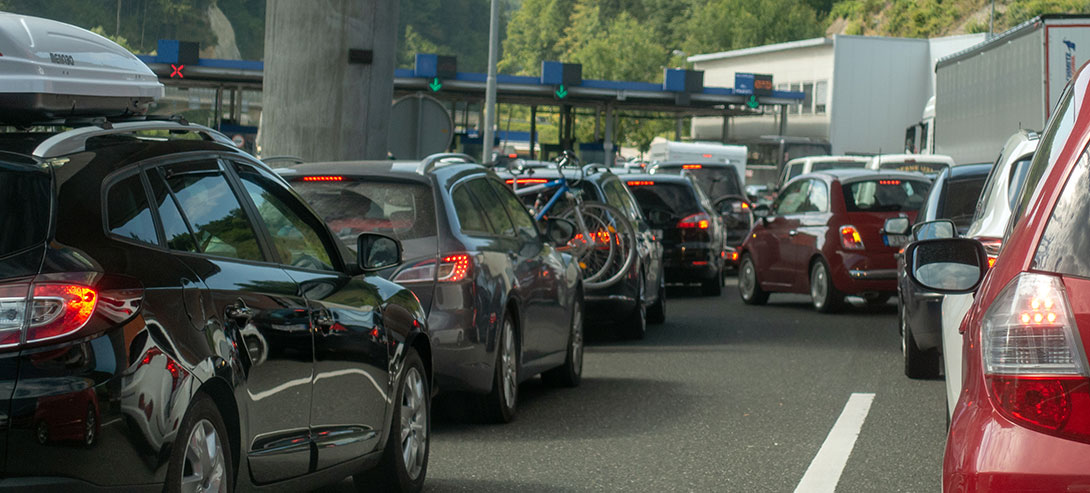
- Border checks were removed between Croatia and other Schengen countries
- Long queues at border crossings with Slovenia and Hungary disappeared
- Maritime travelers, such as yacht owners, no longer need to file passenger lists or check in with border police when sailing to or from Schengen countries like Italy or Slovenia
- The Croatian Harbour Master's Office and Border Police stopped requiring entry or exit documentation for yachts
These updates make Croatia a more seamless destination for nautical tourism, boosting efficiency and convenience.
Currency and Economic Impact Since Euro Adoption
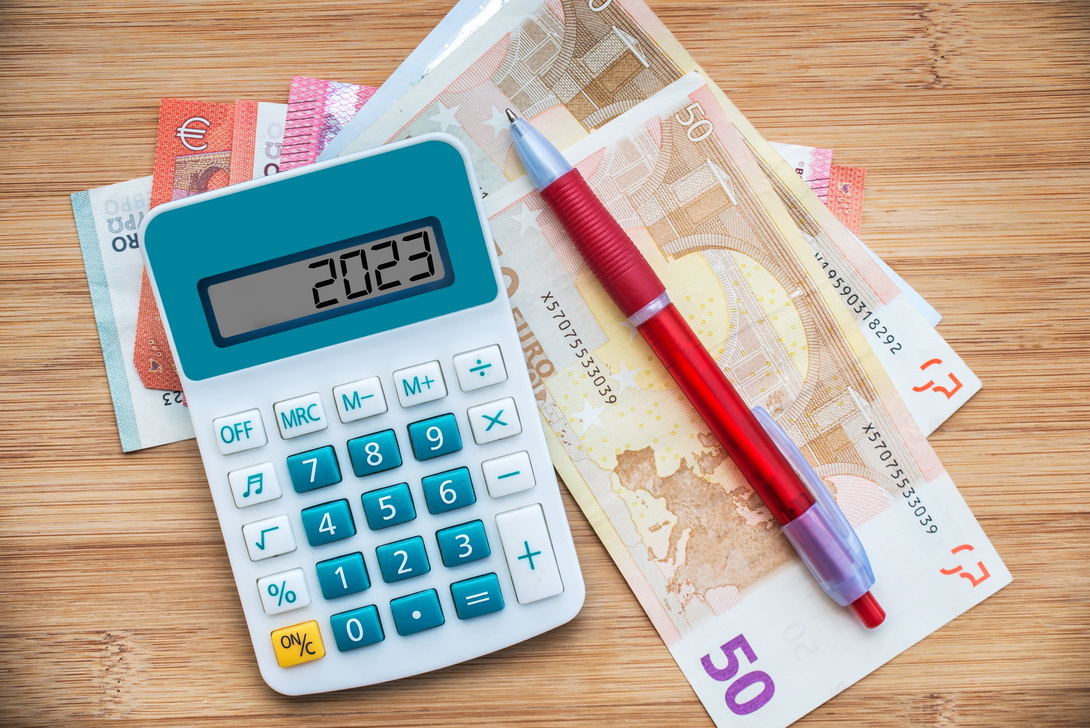
The introduction of the euro has simplified business operations in the tourism and charter sectors. Prior to 2023, businesses had to show prices in both Kuna and Euro, which confused many visitors. Since then, all services list prices in euros only, streamlining the booking process and improving transparency.
However, the transition also contributed to noticeable price increases. Many everyday items such as bakery goods, coffee, and newspapers became more expensive due to rounding during conversion. Between 2023 and 2025, prices for essentials like groceries, dining, and fuel rose steadily, with Croatia’s inflation rate reaching approximately 4.2 percent in 2025. Food and beverages experienced some of the steepest increases.
While the initial fears of a sharp euro-induced inflation spike were avoided, the rising cost of living has been felt by both residents and tourists. Global supply chain disruptions, imported energy prices, and elevated demand in the tourism sector have added further pressure. Despite this, the adoption of the euro and Croatia’s entry into the Schengen Area have made the country more accessible and appealing to international travelers, reinforcing its competitiveness within the European tourism market.
Frequently Asked Questions
Yes. Banknotes can still be exchanged at the Croatian National Bank with no expiration date. Coins are no longer accepted.